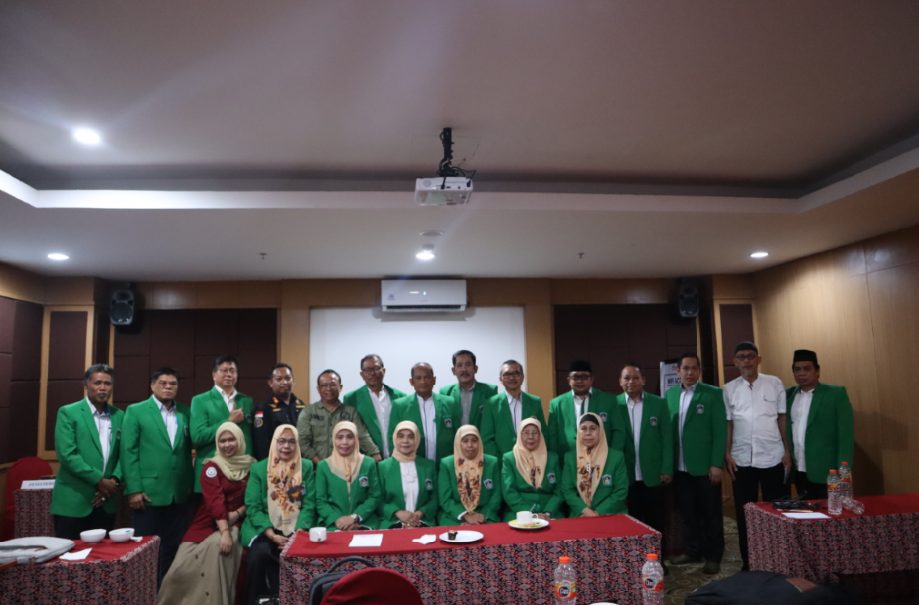
MAKASSAR, umi.ac.id — The Faculty of Fisheries and Marine Sciences (FPIK), Universitas Muslim Indonesia (UMI), held a Workshop on Curriculum Development and the Preparation of Semester Learning Plans (RPS) Based on the Merdeka Belajar Kampus Merdeka (MBKM) Program on November 29–30, 2023.
The workshop was conducted as part of FPIK UMI’s efforts to strengthen and develop an Outcome-Based Education (OBE) curriculum that is adaptive to advances in science and technology, developments in the fisheries and marine sectors, and the needs of the workforce.
The activity brought together speakers from academia, industry, professional practice, and relevant stakeholders. Their perspectives provided important input for curriculum development and the preparation of RPS, particularly in ensuring that graduate competencies are aligned with the needs of industry, government, society, and future developments in the fisheries and marine sectors.
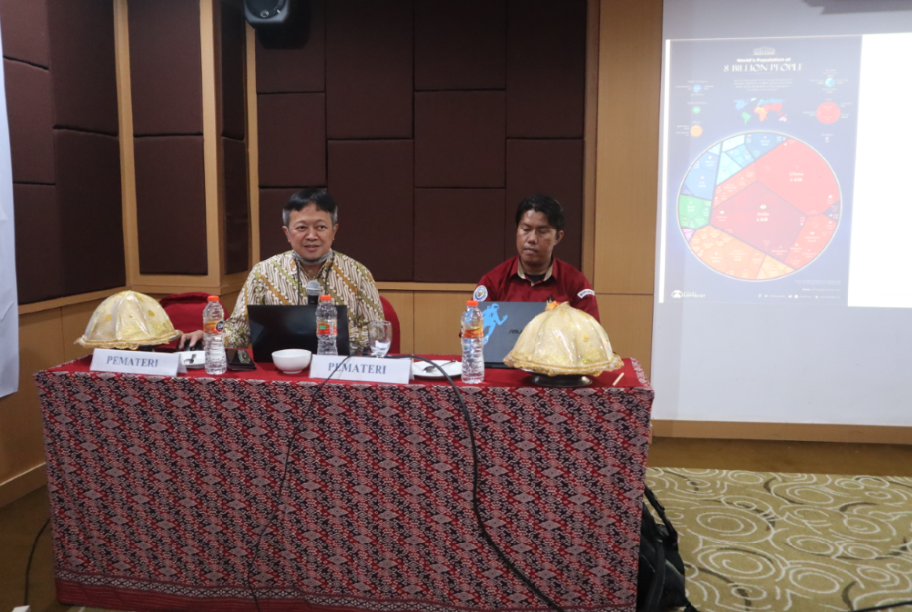
One of the speakers, Ir. Coco Kokarkin Soetrisno, M.Sc., Vice President of PT Bomar Biopova Akuakultura and a shrimp farming practitioner, emphasized the importance of strengthening students’ competencies in shrimp farming technology, water quality management, aquatic animal health and biosecurity, feed management, production efficiency, and problem-solving skills. These competencies are considered important to ensure that graduates are able to respond to practical challenges in the aquaculture industry.
Meanwhile, Ilham, S.Kel., a marine conservation practitioner and expert, highlighted the need for the Marine Science curriculum to strengthen competencies in marine and coastal resource conservation, ecosystem management, environmental problem identification, and the application of conservation principles in coastal and marine area management.
Prof. Dr. Mauli Kasmi, S.Pi., M.S., Director of Politeknik Pertanian Negeri Pangkep and Head of CV. Rezky Bahari, emphasized that an OBE-based curriculum needs to be continuously updated in line with the needs of the workforce and business sectors, particularly by strengthening students’ practical competencies and skills in the marine sector.
This input was followed up through curriculum updates at the study program level by strengthening project-based learning, practical sessions, field activities, and the alignment of Graduate Learning Outcomes (CPL) with the needs of the workforce and business sectors. This approach is expected to provide students with more contextual learning experiences and better prepare them for professional careers.
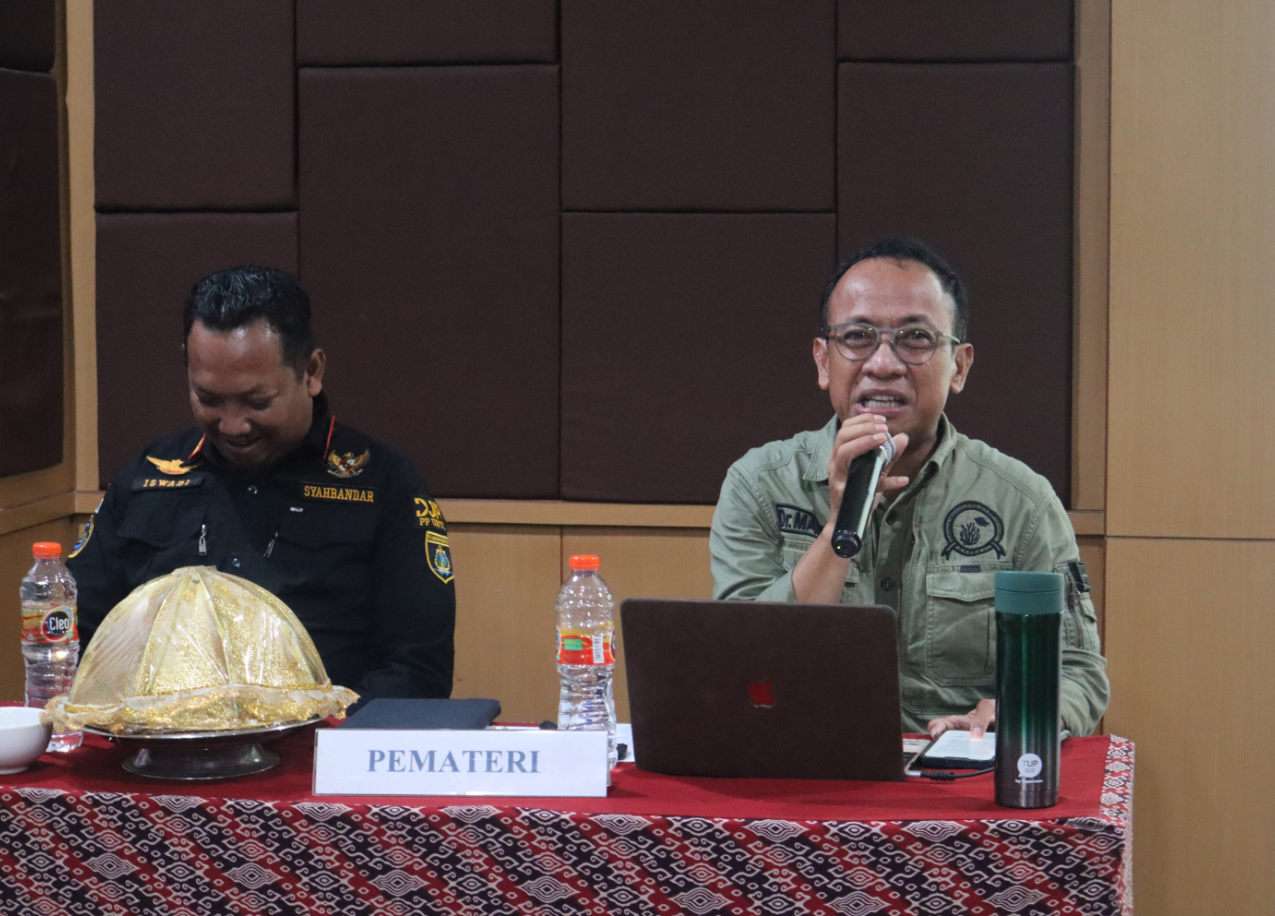
From the fisheries capture sector, Iswadi Rachman, S.P., M.Si., Head of Untia Fisheries Port, provided input on the importance of aligning the curriculum with developments in measured fishing policies and technology, sustainable fisheries resource management, fishing business management, and students’ understanding of regulations and responsible fishing practices.
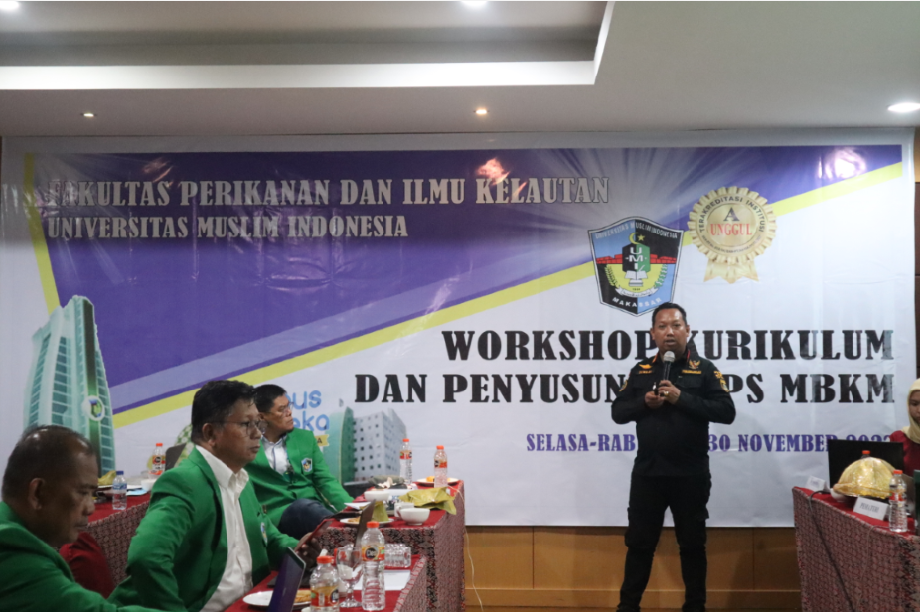
Marhamah, S.T., M.Si., an academic and practitioner specializing in sustainable fisheries and the prospects and potential of fisheries and marine resources, emphasized that study programs need to incorporate the principles of sustainable fisheries management while responding to the growing prospects and potential of fisheries and marine resources.
According to her, the curriculum should equip students with the ability to identify resource potential, analyze development opportunities, consider environmental and socio-economic aspects, and formulate sustainable solutions. These competencies are important in preparing graduates to contribute to the development of the fisheries and marine sectors while maintaining environmental sustainability.
The workshop also featured Prof. Dr. Ir. H. Muhammad Hatta Fattah, MS, Vice Rector V of UMI, who provided input on the future direction of curriculum development. He emphasized the importance of anticipating future competency requirements in the fisheries and marine sectors by strengthening students’ mastery of marine science and technology, sustainable resource utilization, adaptability to developments in the marine sector, and competencies that correspond to employment needs and opportunities in fisheries and marine-related fields.
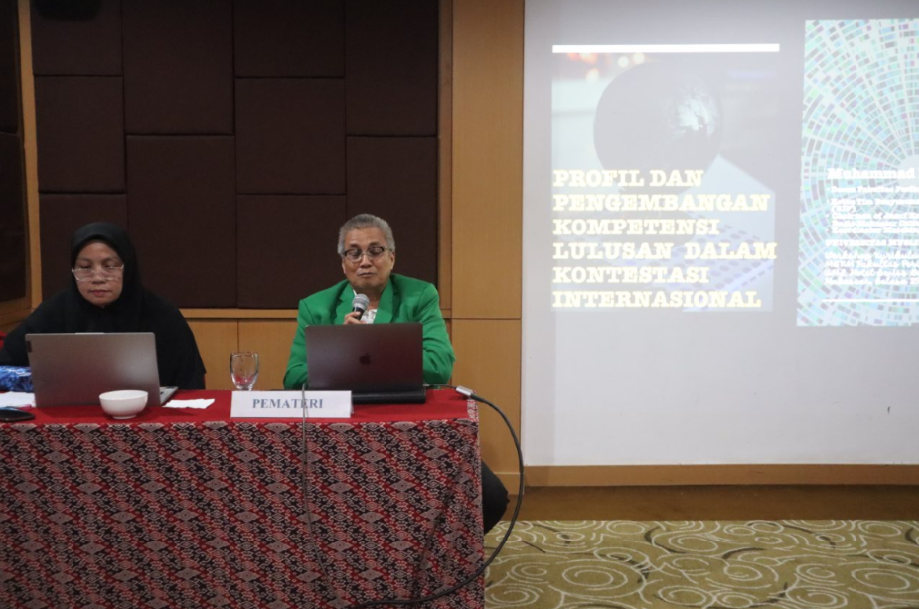
The various inputs from the speakers served as important considerations in strengthening the OBE curriculum at FPIK UMI. The curriculum is expected to provide students not only with theoretical knowledge but also with practical skills, analytical abilities, problem-solving competencies, adaptability, and professional capabilities relevant to real-world challenges.
The workshop also provided an opportunity for academic units at FPIK UMI to review the alignment between Graduate Learning Outcomes (CPL), Course Learning Outcomes (CPMK), learning materials, learning methods, assessment strategies, and the preparation of RPS within the OBE framework.
Through the Workshop on Curriculum Development and MBKM-Based RPS Preparation, FPIK UMI reaffirmed its commitment to continuously improving the quality and relevance of higher education. The curriculum development process is expected to strengthen the link between academic learning and developments in the fisheries and marine sectors, while preparing graduates to contribute professionally to industry, government, research, environmental conservation, and community development.
The activity thus became an important step in developing an outcome-oriented, industry-relevant, sustainable, and future-ready curriculum at FPIK UMI.
Kalau untuk website FPIK UMI, versi ini sudah cocok karena masukan kelima narasumber masuk secara substantif dan terhubung dengan konsep OBE, CPL, CPMK, dan RPS, bukan sekadar daftar pemateri.