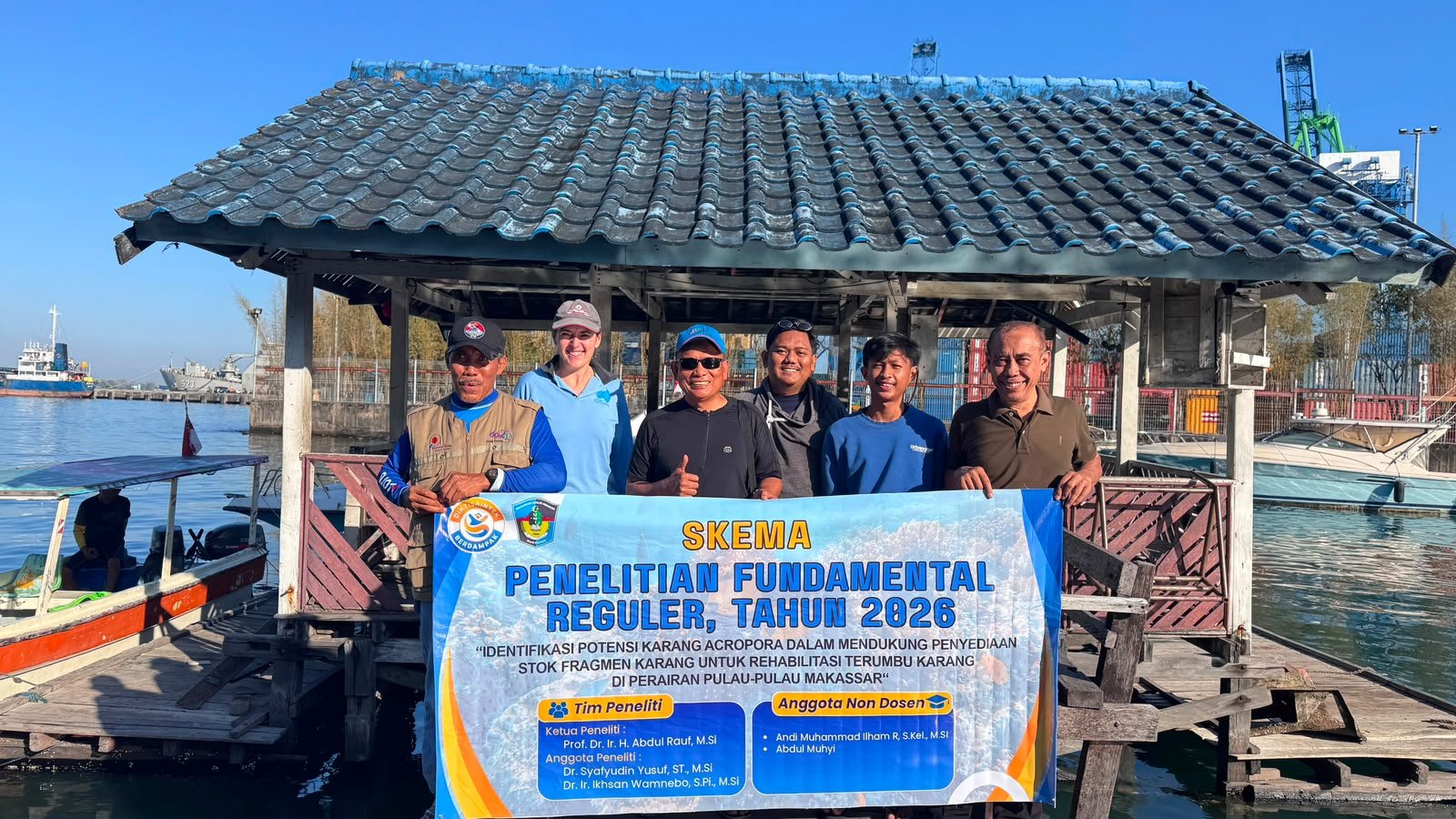
Makassar – The Faculty of Fisheries and Marine Sciences (FPIK) of Universitas Muslim Indonesia (UMI) continues to strengthen its contribution to coastal and marine ecosystem conservation through research on coral reef rehabilitation in several coastal islands of Makassar.
The research is conducted by a team of FPIK UMI researchers in collaboration with academics from Hasanuddin University (UNHAS), Makassar, and James Cook University (JCU), Australia. This cross-institutional collaboration represents a strategic effort to advance marine research and promote sustainable management of coastal and marine ecosystems.
The FPIK UMI research team is led by Prof. Dr. Abdul Rauf, with Dr. Saifdul and Dr. Muhammad Ikhsan Wamnebo serving as team members. Together with researchers from the partner universities, the team is conducting research at several locations, including Barrang Lompo Island, Barrang Caddi Island, and Kodingareng Keke Island.
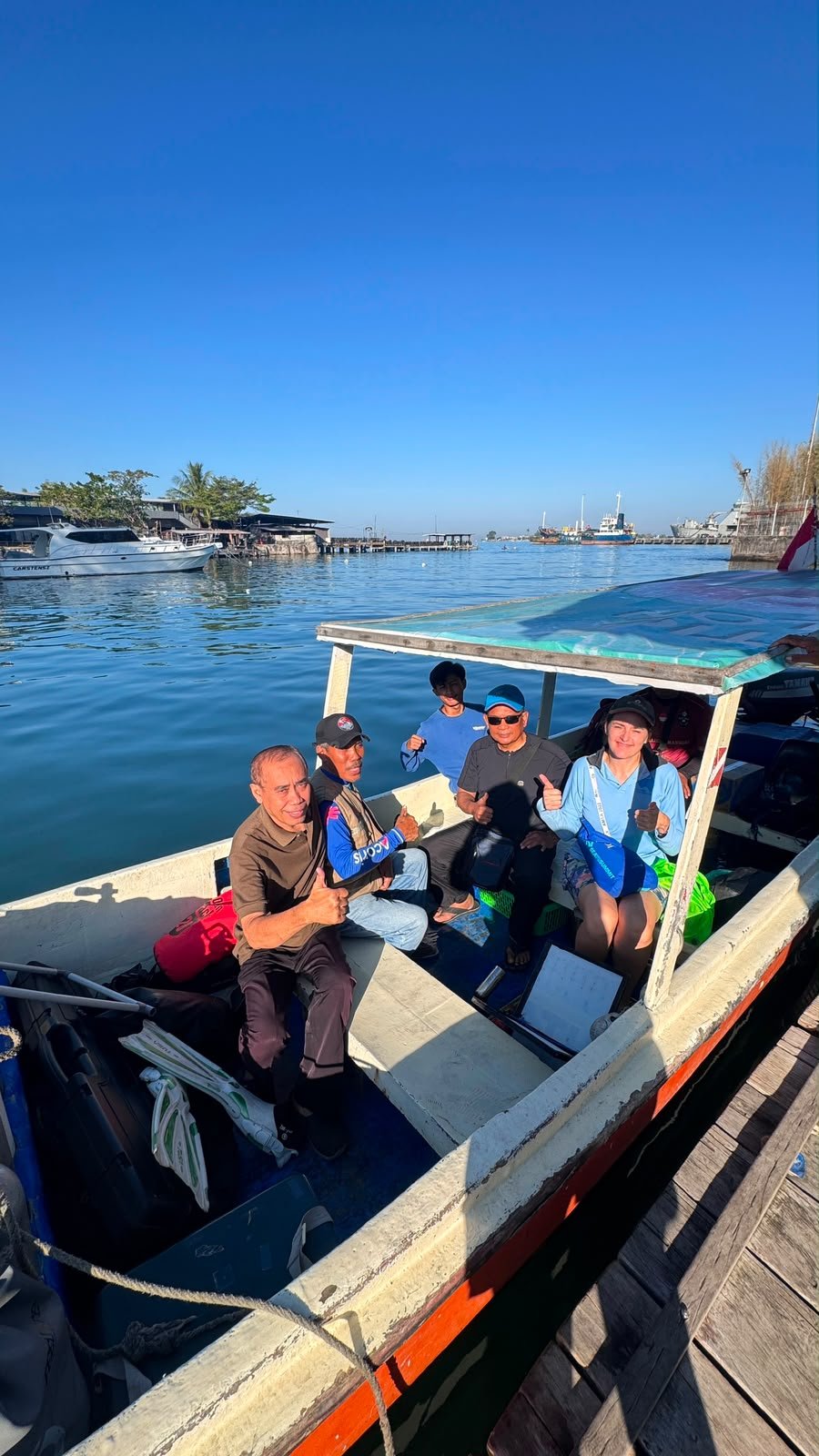
The research focuses on coral reef rehabilitation as an important effort to maintain the health and sustainability of marine ecosystems. Coral reefs play a vital role as habitats for diverse marine organisms, natural protection for coastal areas, and important resources supporting the livelihoods and economic activities of coastal communities.
Through this research, FPIK UMI demonstrates its commitment to developing research that provides tangible benefits for both the environment and coastal communities. The involvement of researchers from UNHAS and James Cook University also serves as an important step in expanding academic networks, strengthening research capacity, and increasing the impact of marine science research.
The collaboration is expected to generate scientific information and recommendations that can contribute to effective and sustainable coral reef rehabilitation and management strategies in the coastal islands of Makassar.
This research further highlights FPIK UMI’s role as an academic institution actively contributing to the advancement of science, research, and sustainable marine resource management, particularly in addressing the challenges of coastal and marine ecosystem degradation.